Project scope
What a running shoe OEM or ODM partner should deliver
OEM programs normally begin with a defined design, specification or existing last and tooling direction. ODM programs typically require broader product creation support, including concept translation, platform selection, design engineering and sample development. In both cases, the factory must connect performance intent with repeatable manufacturing.
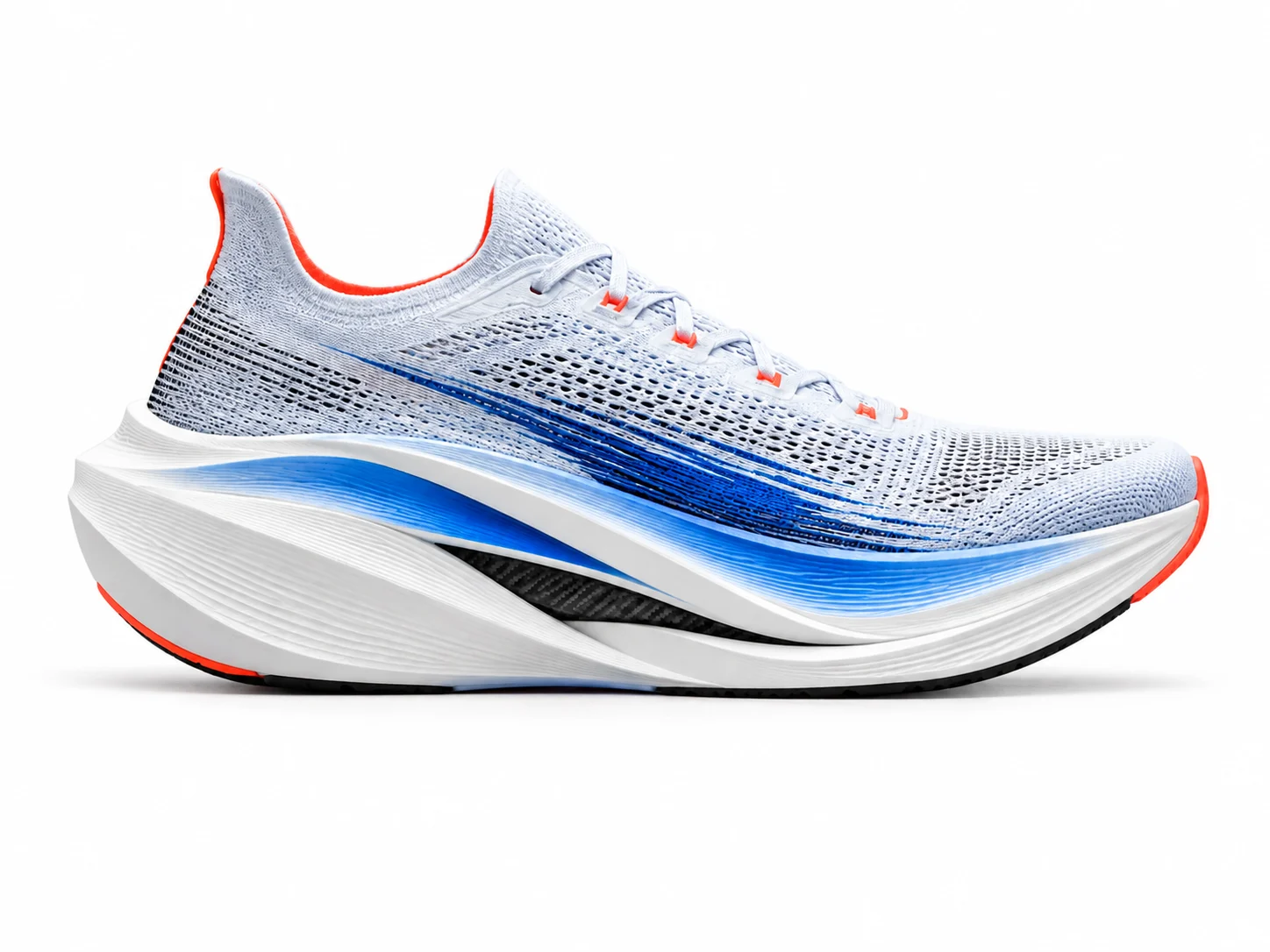
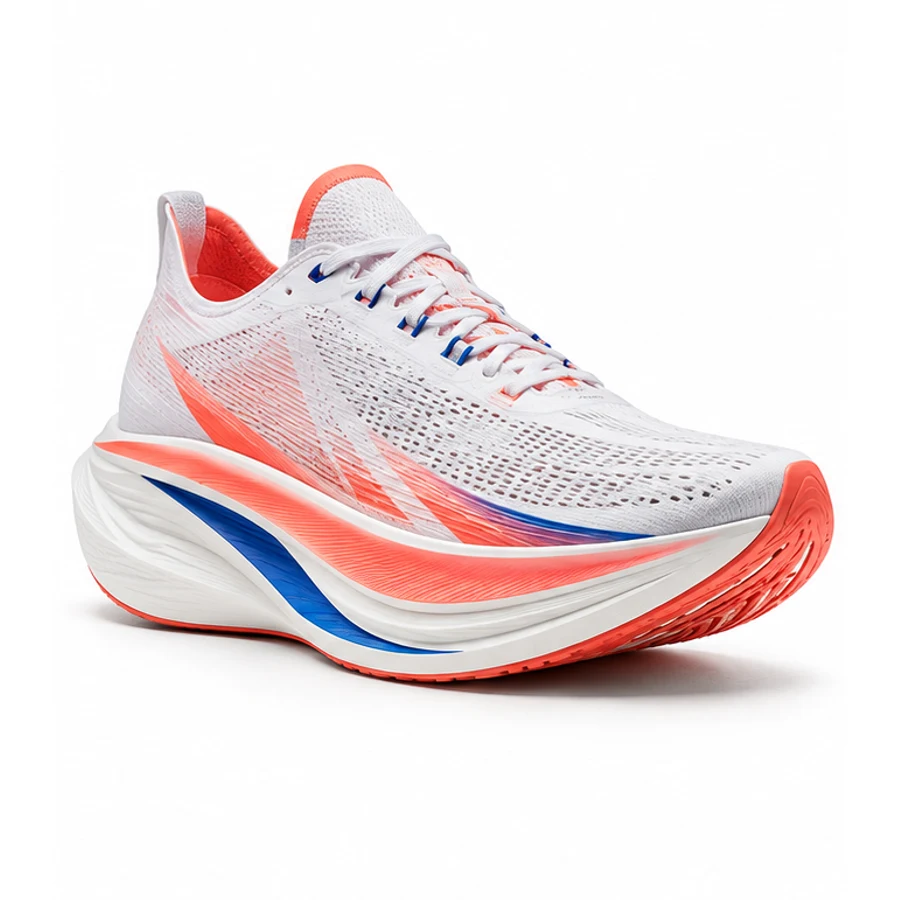
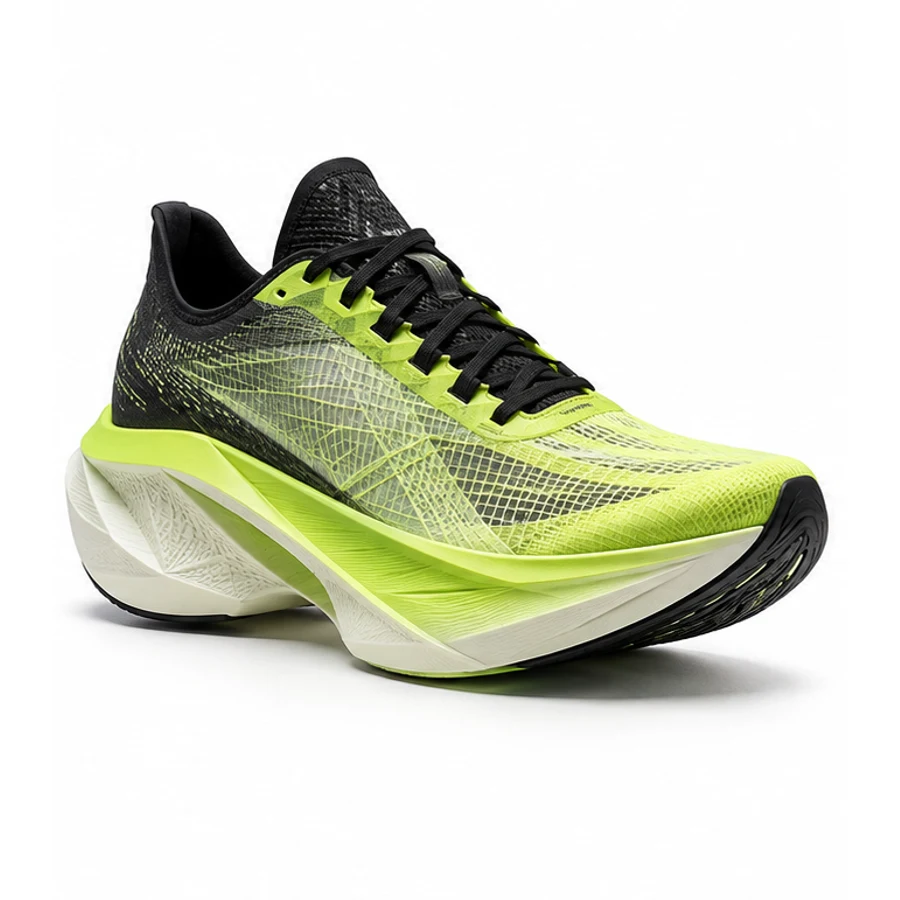
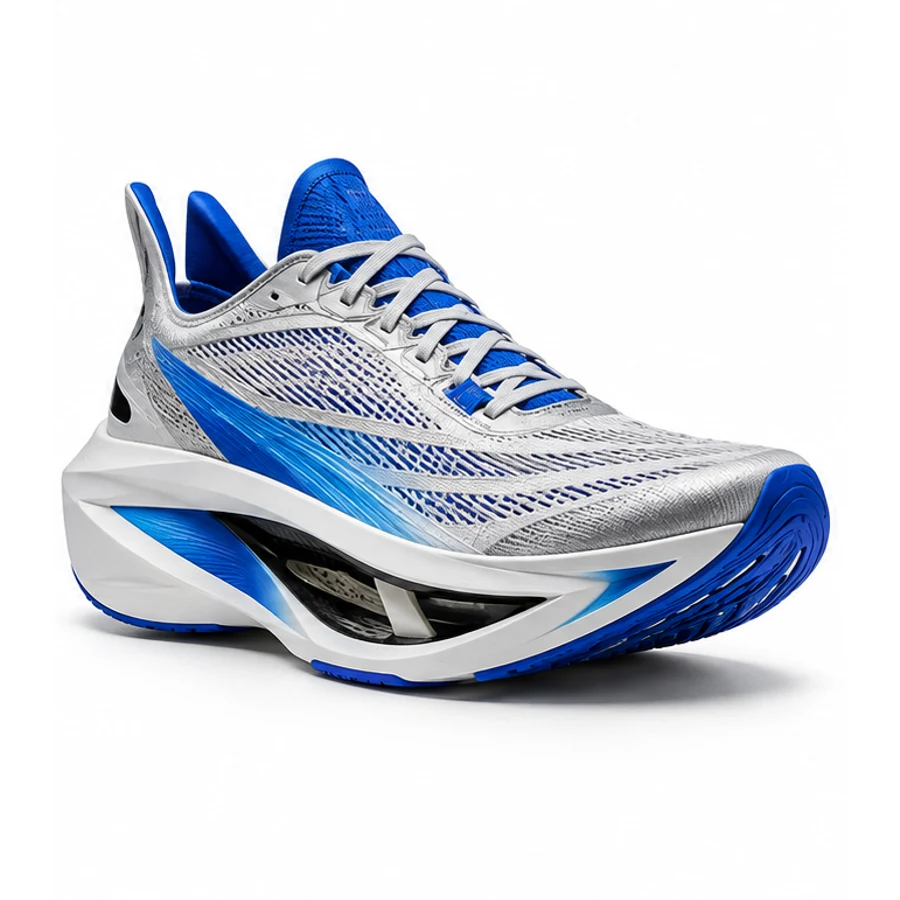
Winmamba develops race-day shoes, daily trainers, stability platforms and trail running footwear for B2B customers. The work can include last development, bottom tooling, upper pattern engineering, material sourcing, color and trim execution, fit trials, laboratory testing, wear evaluation and production quality control.
Development process
From brief to bulk production
Define the runner
Use case, pace, distance, terrain, fit expectation and consumer profile.
Build the platform
Last, stack, drop, rocker, base geometry, plate or shank and outsole layout.
Engineer the upper
Mesh structure, reinforcement map, eyestay, tongue, heel hold and lining package.
Validate and scale
Fit correction, wear trials, laboratory checks, confirmation samples and production gates.
Materials and construction
Performance is created by a complete footwear system
A premium midsole material alone does not define the ride. Foam grade and density interact with stack height, sidewall geometry, flex grooves, plate stiffness, strobel construction, lasting tension and rubber coverage. Upper weight and hold also change how the shoe feels under load.
Depending on the brief, the development team can evaluate supercritical PEBA, TPU or TPEE foam families, conventional EVA blends, composite plates, engineered mono mesh, jacquard mesh, warp knit and no-sew reinforcement systems. Every claim must be connected to the selected material grade and an agreed test method.
Validation
Confirm what matters for the intended market
A validation plan should reflect the product promise. Typical checks may cover fit consistency, bond strength, flex resistance, outsole abrasion, slip behavior, material hardness, compression behavior, dimensional stability, upper tear strength and colorfastness. Performance running projects may also include controlled wear trials and comparative ride feedback.
Test standards, sample size and acceptance criteria should be agreed before final confirmation. This prevents broad marketing language from replacing measurable product requirements.
Buyer brief checklist
Information that helps us quote and develop accurately
- Target country, sales channel and intended retail position
- Runner profile, distance, pace and terrain
- Desired category: race, daily training, stability or trail
- Target FOB, forecast quantity and size range
- Preferred foam, plate, upper and outsole direction
- Reference samples or visual language
- Required tests, certifications and packaging
- Launch date and sample approval milestones