Category engineering
One court shoe cannot solve every movement pattern
Performance court footwear must manage braking, lateral cuts, rotation, acceleration and repeated contact with the playing surface. The balance changes by sport: basketball emphasizes impact and containment; pickleball emphasizes frequent short movements; tennis adds sustained abrasion and sliding demands; table tennis prioritizes low-profile flexibility and fast foot placement.
Basketball shoes
Impact protection, containment and launch
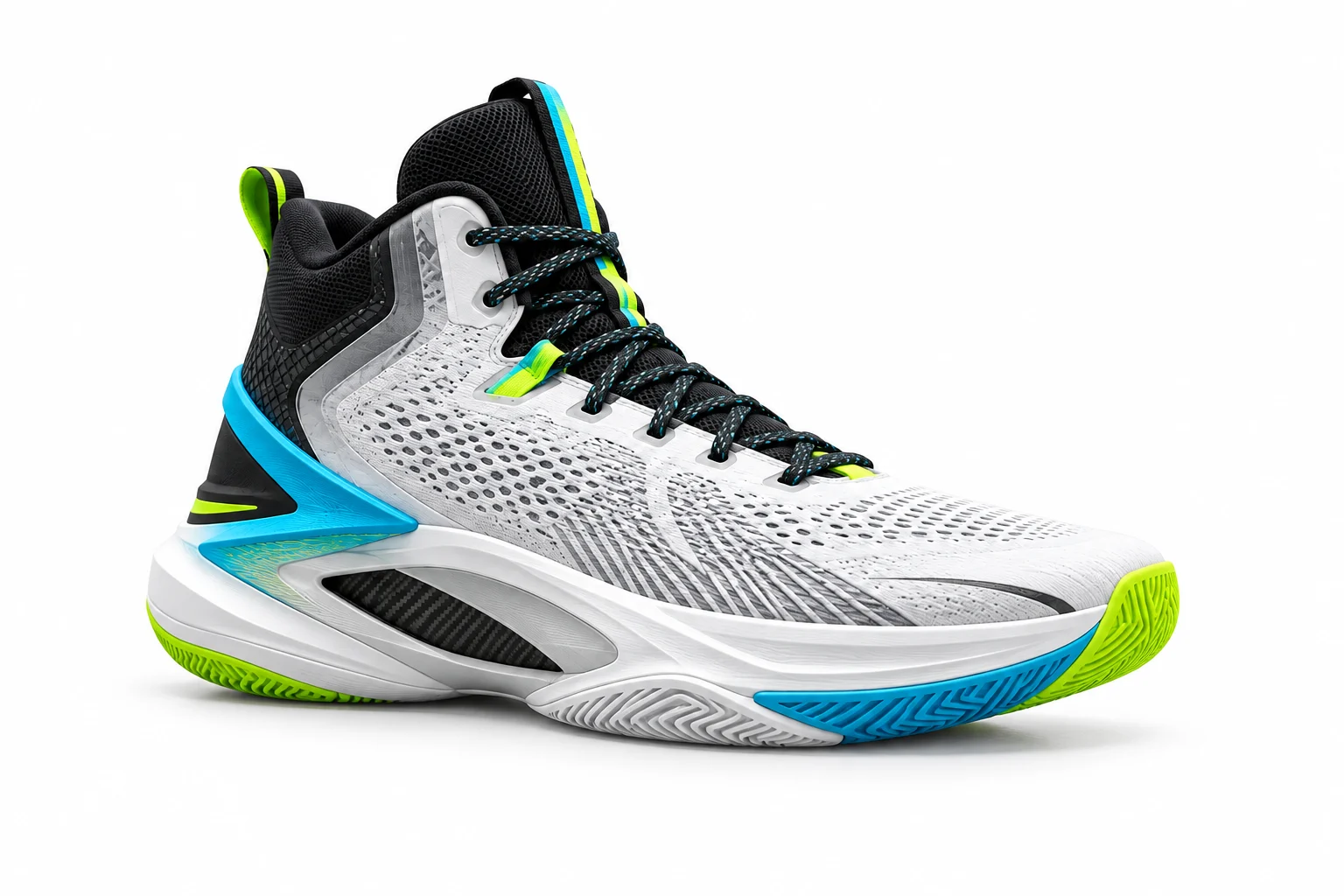
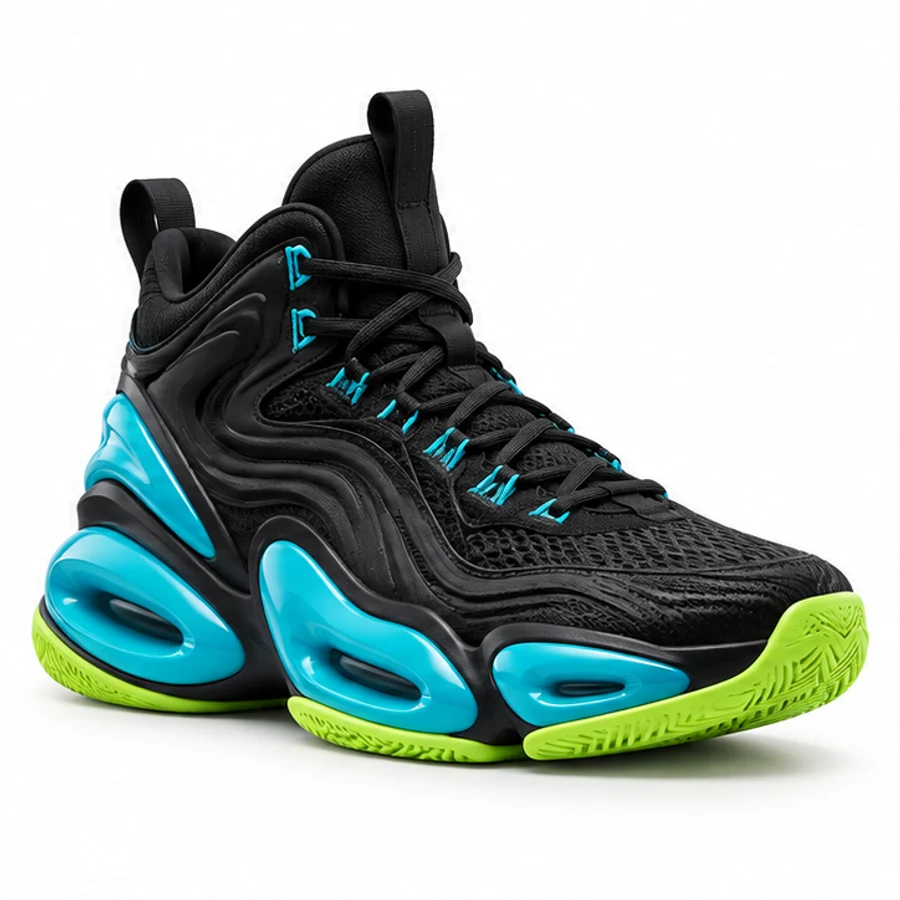
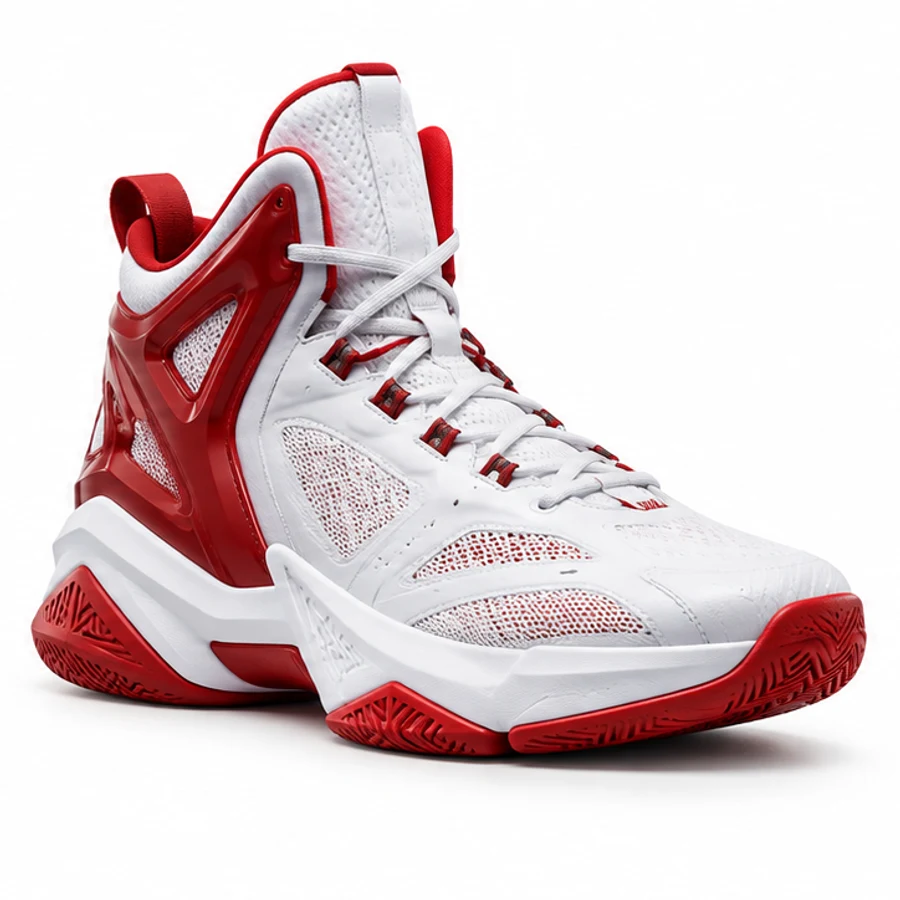
Basketball platforms may combine responsive supercritical foam, a stable carrier, torsional support, heel containment and multidirectional rubber coverage. The upper must control the foot during hard cuts without adding unnecessary weight or pressure.
- Impact cushioning and energy management
- Lateral containment and stable base geometry
- Torsional support and forefoot flex balance
- Durable multidirectional traction
Pickleball shoes
Quick reaction with controlled stability
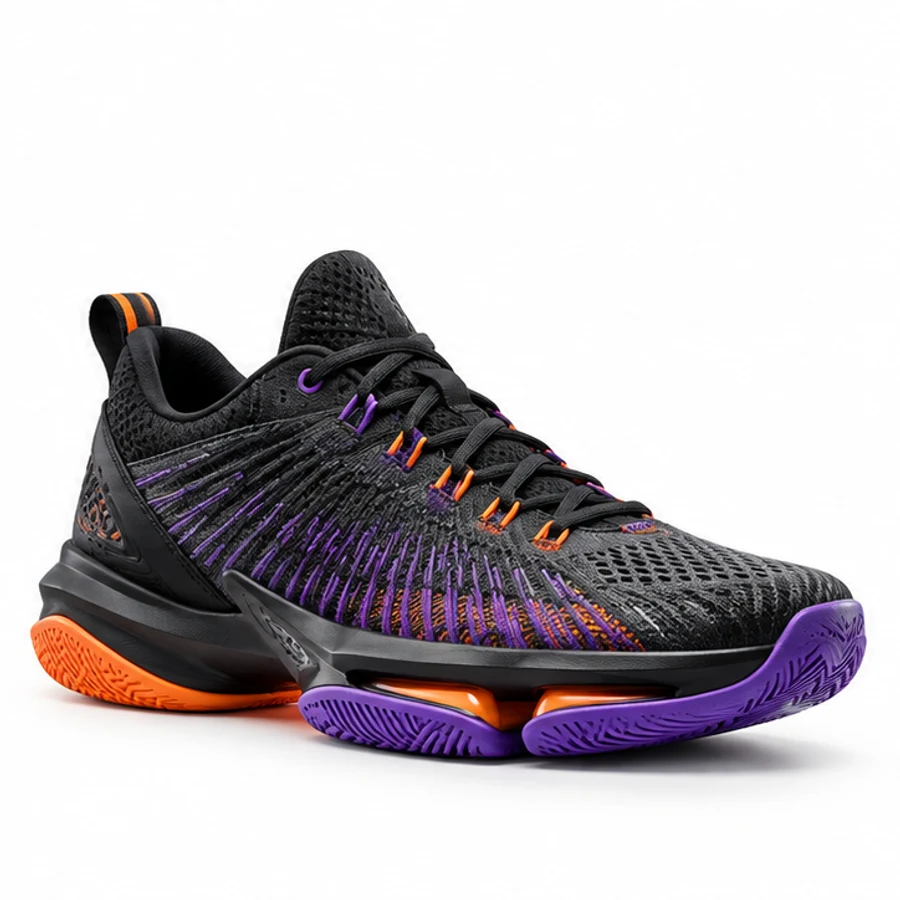
Pickleball involves frequent short accelerations, split steps and lateral changes. A low, stable platform, secure midfoot hold, reinforced toe zone and non-marking outsole can support repeated indoor or outdoor court movement.
- Low-to-ground cushioning
- Toe-drag and medial forefoot protection
- Secure heel and midfoot hold
- Surface-appropriate non-marking rubber
Tennis shoes
Durability for repeated lateral loading
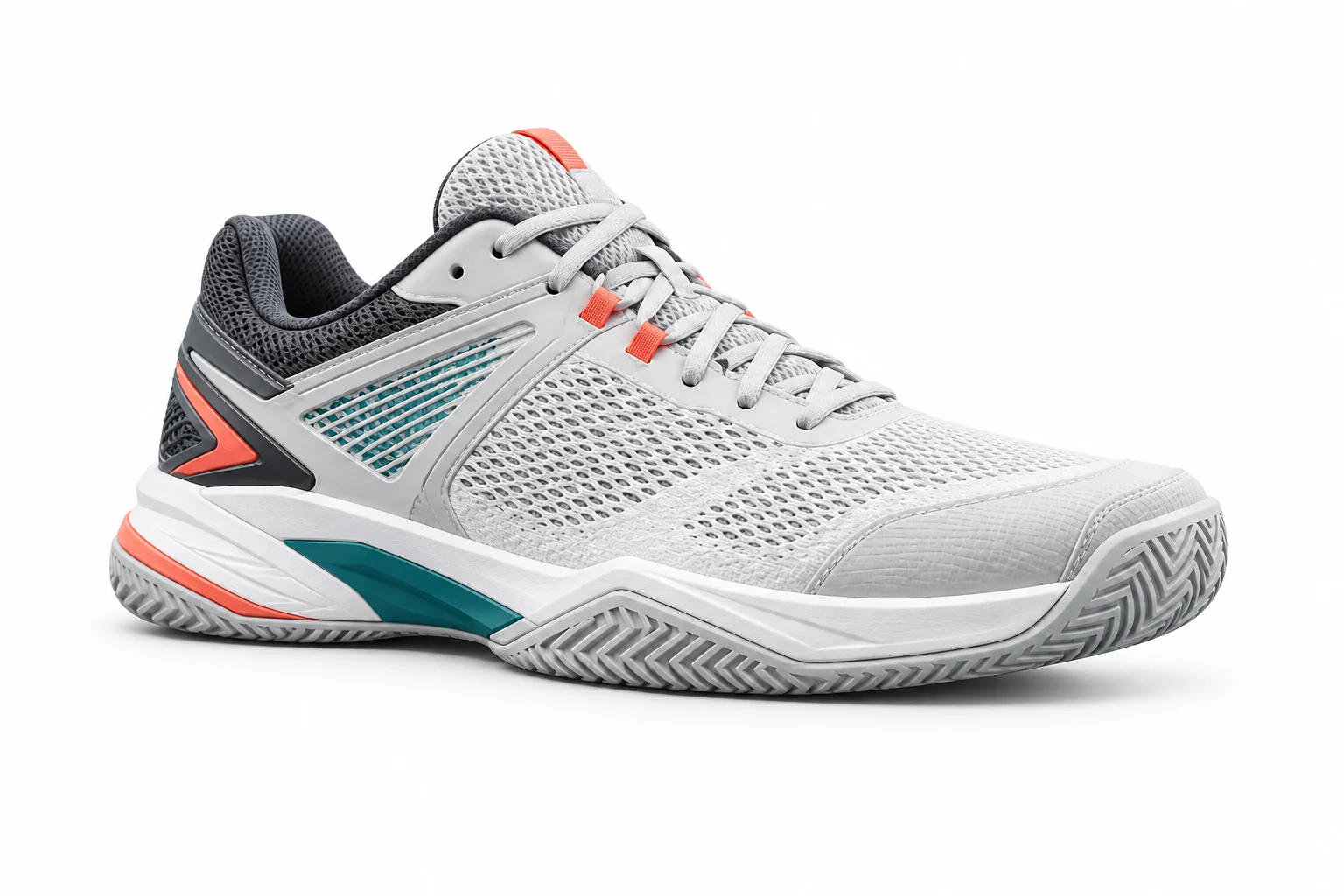
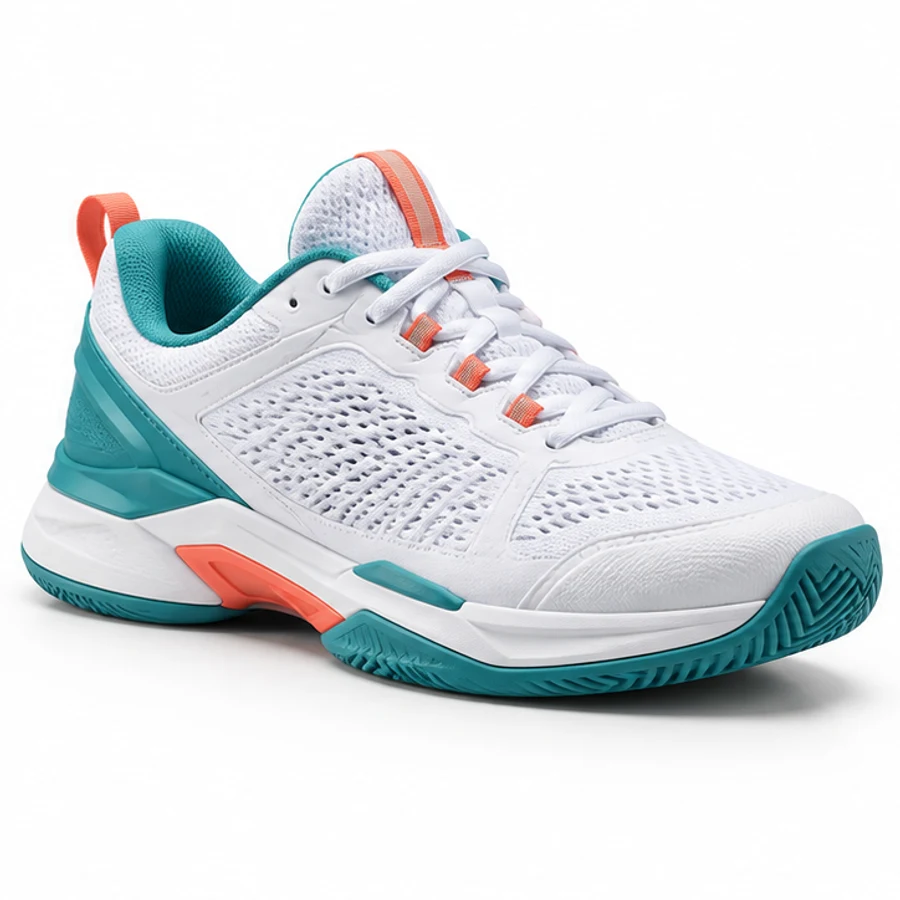
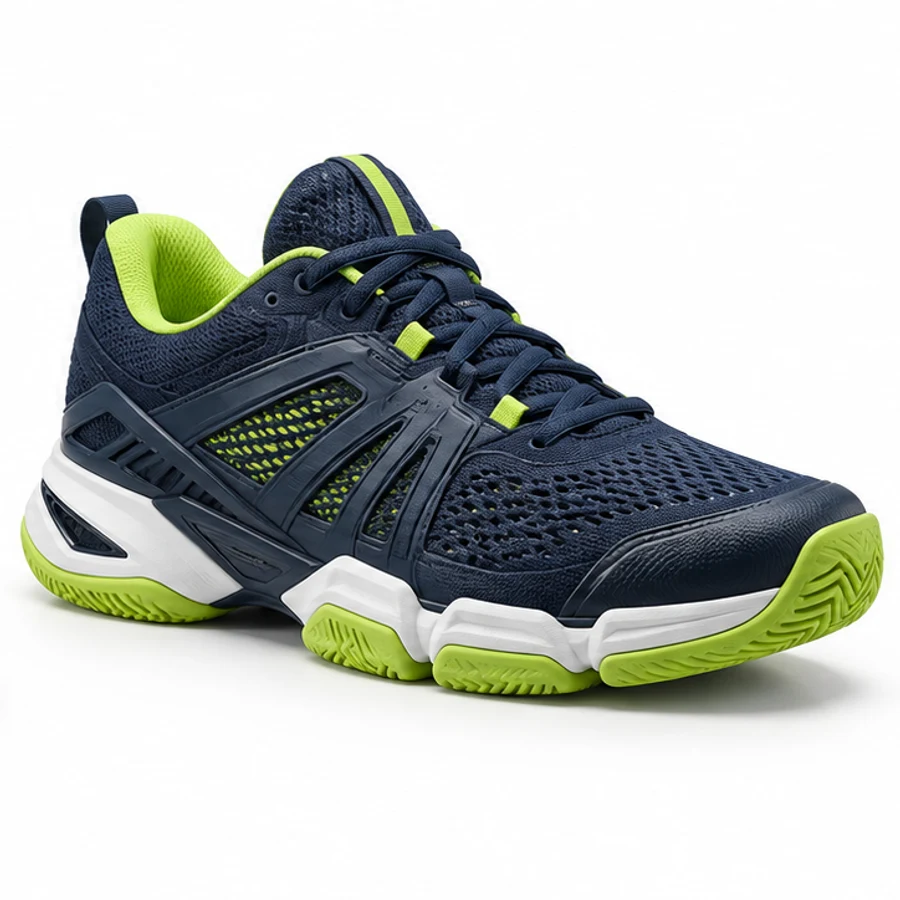
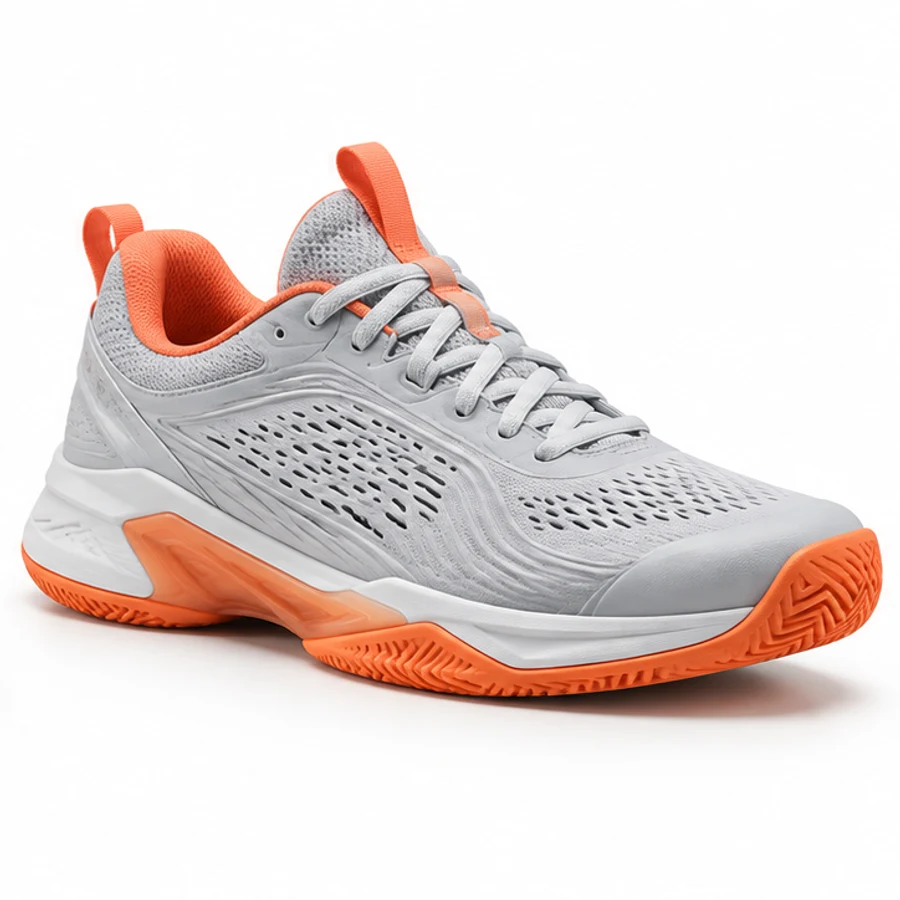
Tennis footwear requires a strong relationship between outsole compound, tread pattern, upper abrasion zones and platform stability. Hard court, clay and grass briefs require different ground-contact strategies.
- Surface-specific outsole design
- Medial forefoot and toe reinforcement
- Stable cushioning for lateral loading
- Heel security during braking and recovery
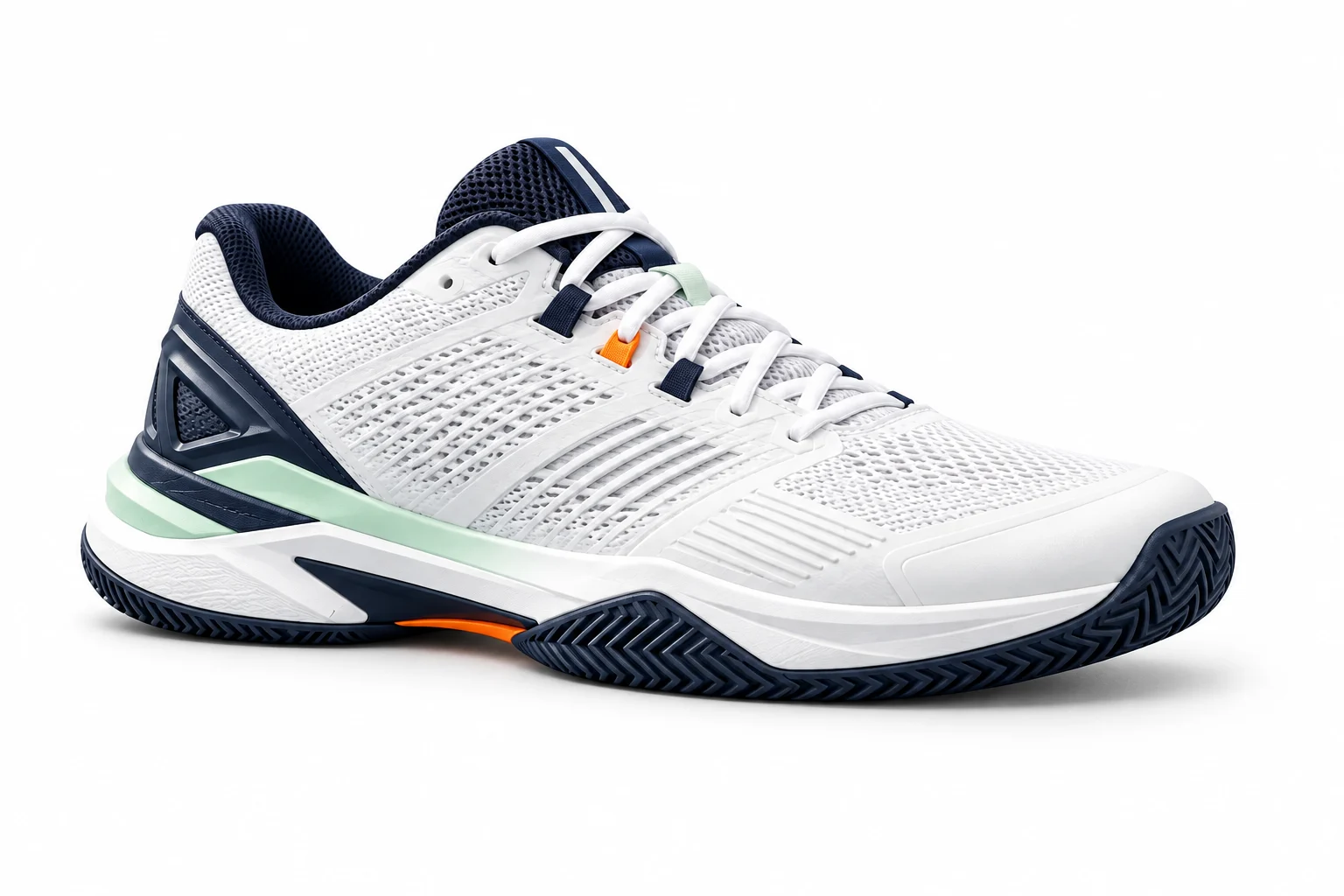
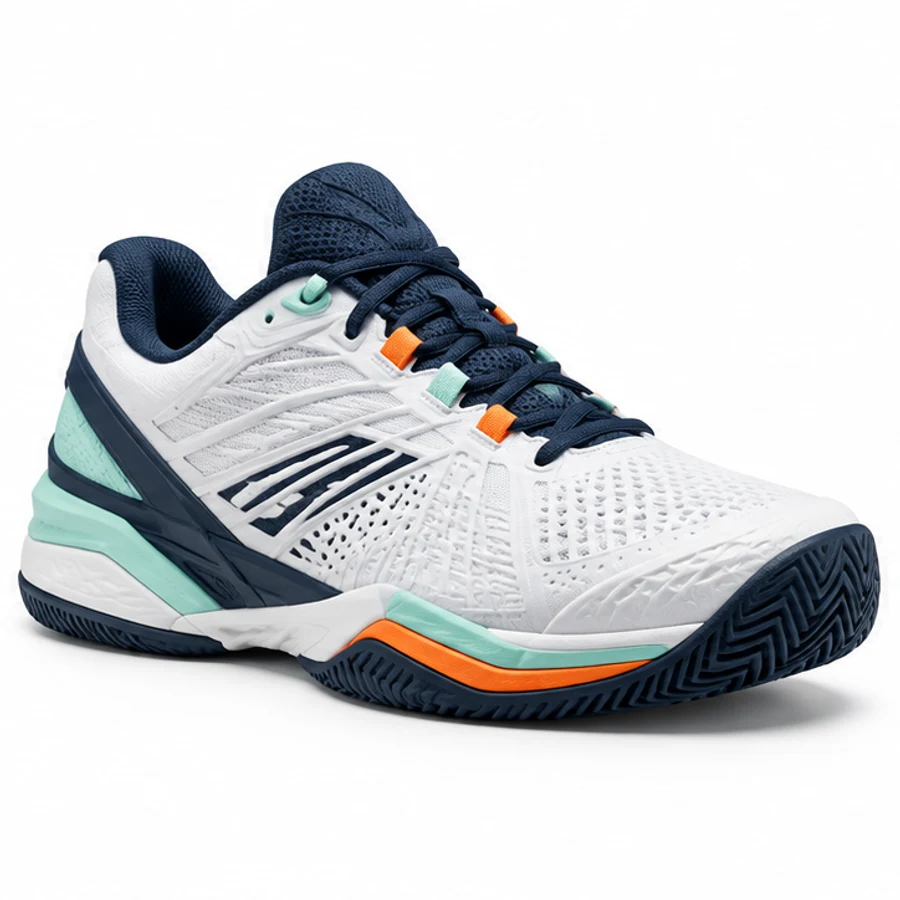
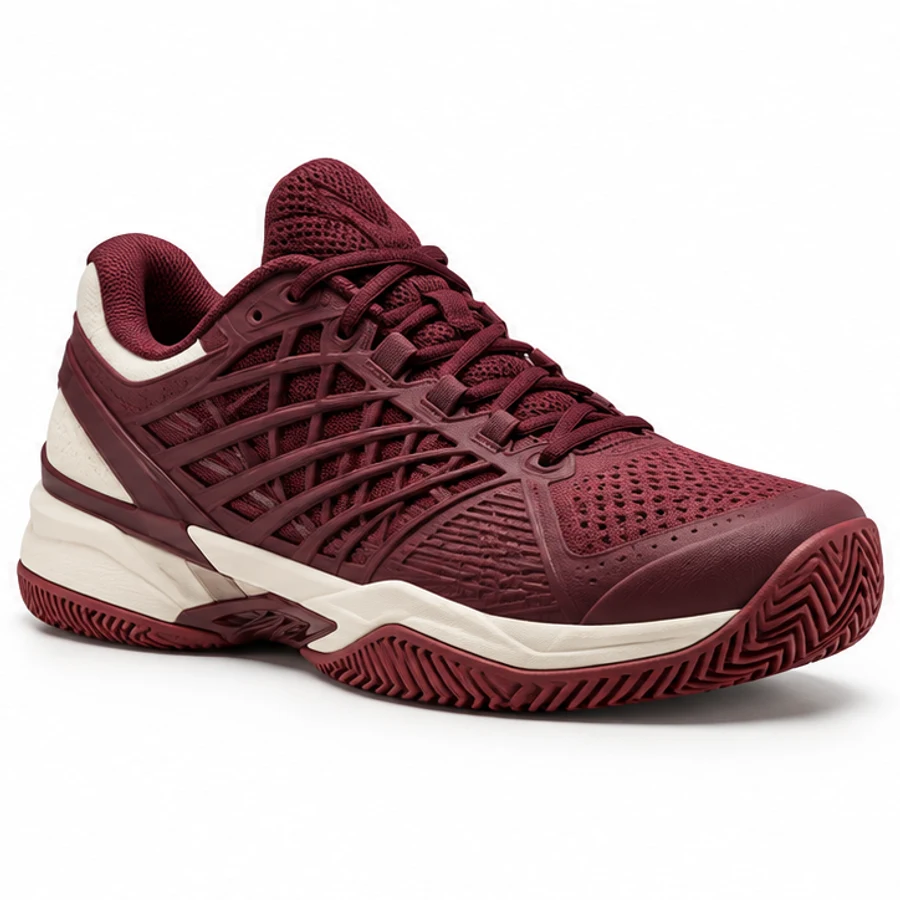
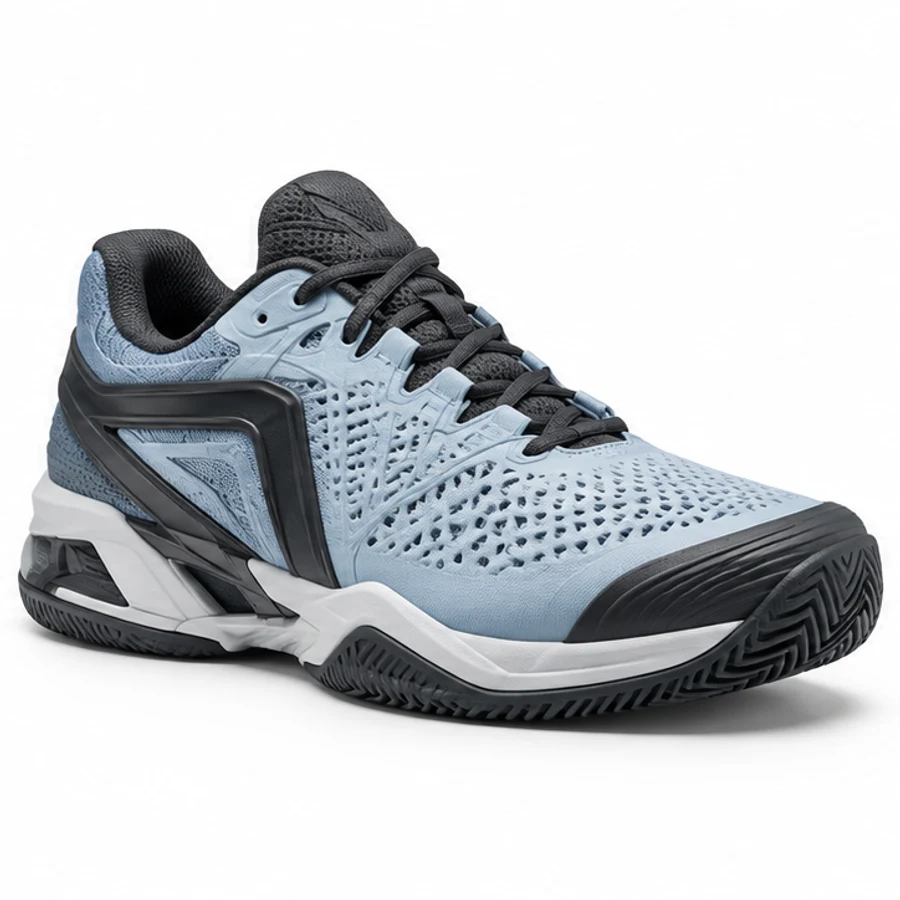
Table tennis shoes
Low-profile grip for precise footwork
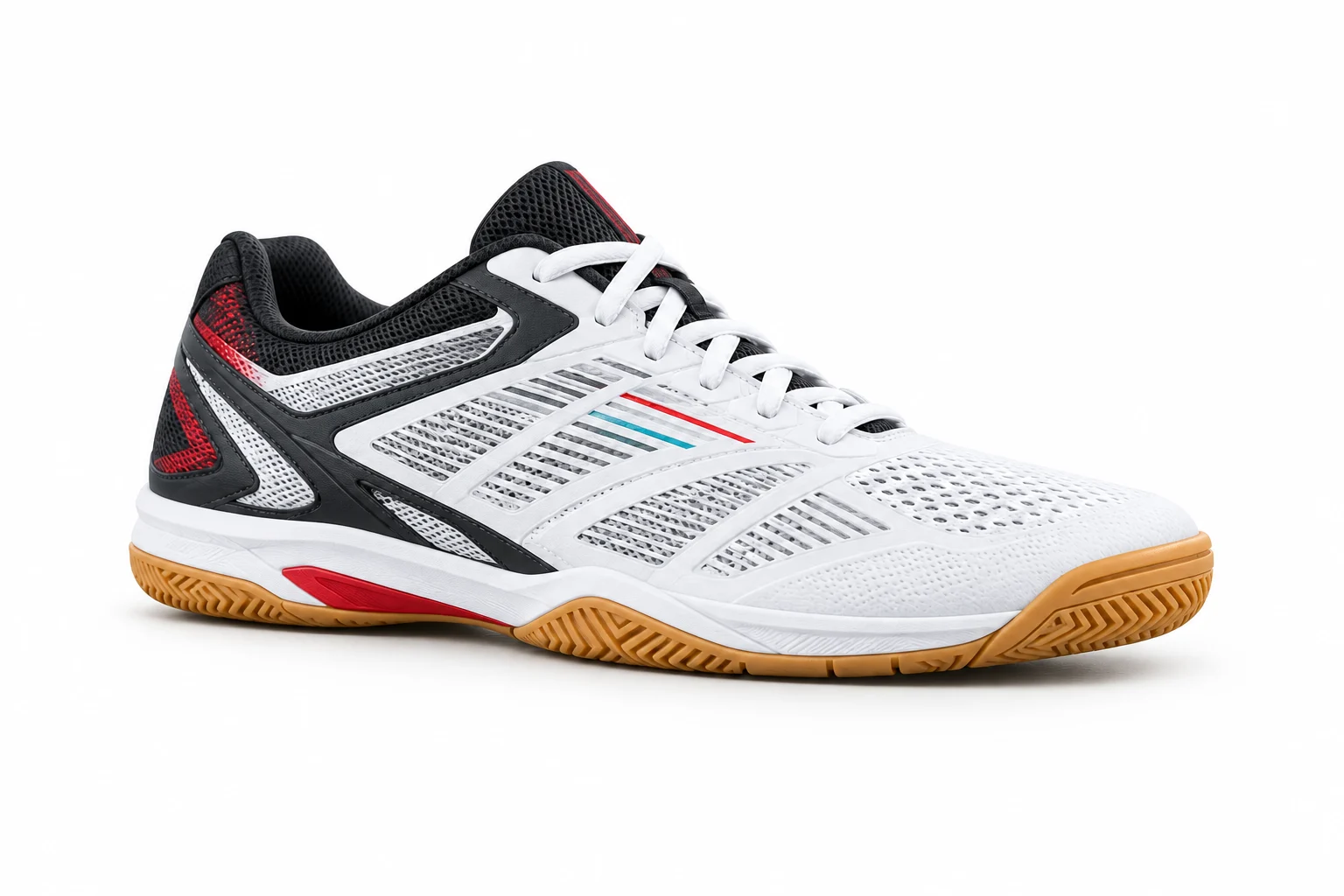
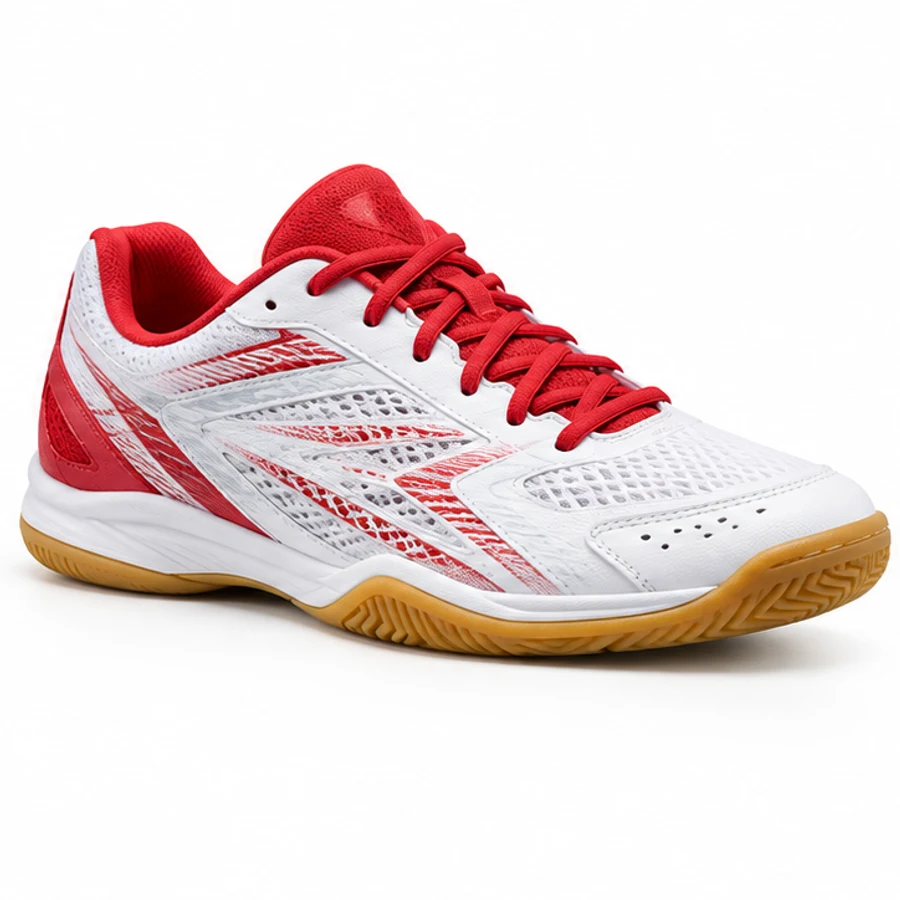
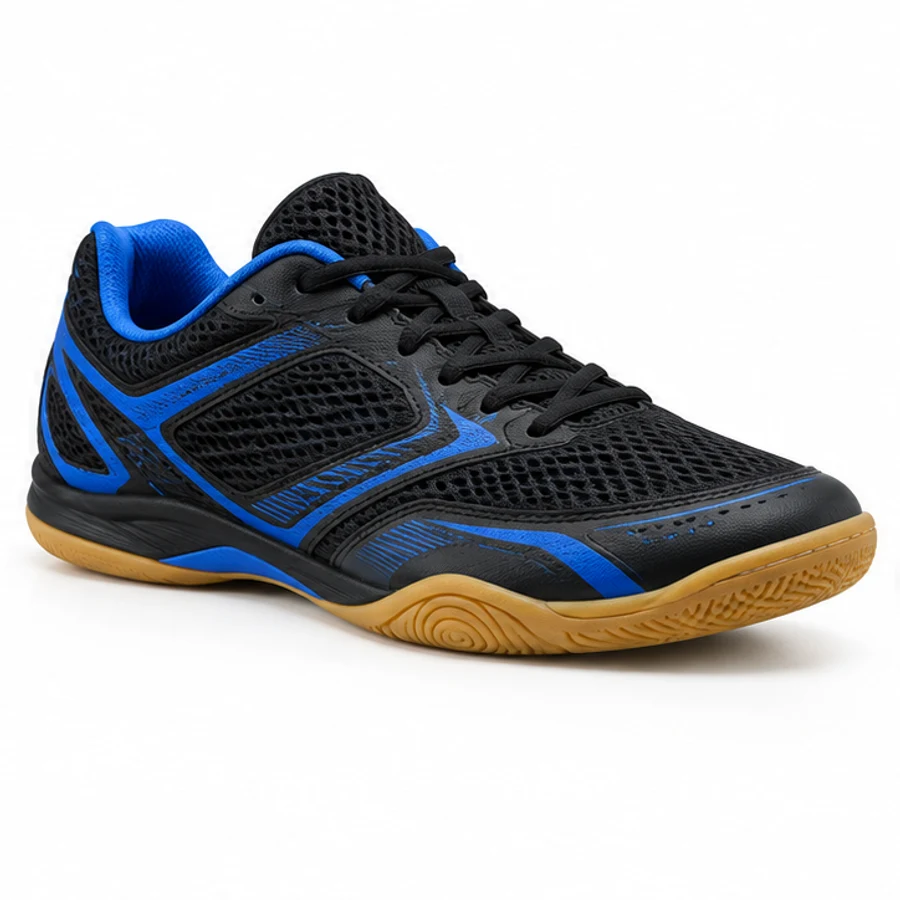
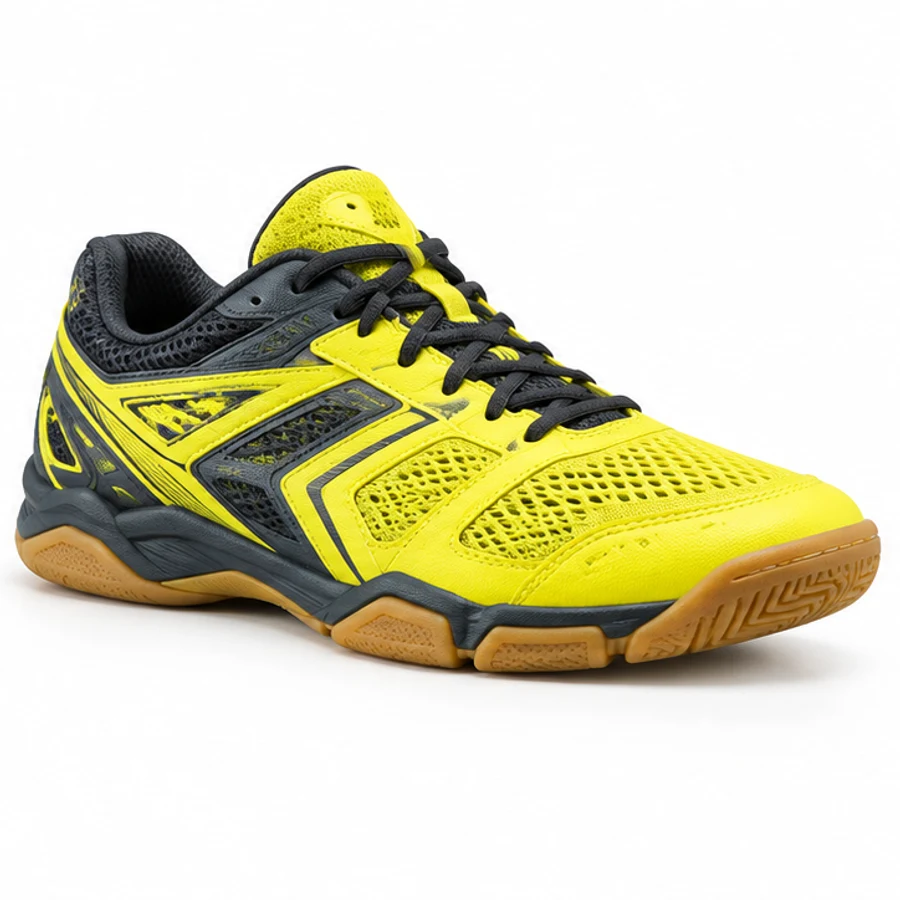
Table tennis places a premium on fast weight transfer, short lateral steps and controlled forefoot rotation. The shoe should remain flexible and close to the floor while providing grip, breathable comfort and targeted lateral support.
- Thin responsive cushioning
- Flexible forefoot and rotational control
- Lightweight engineered mesh upper
- Grippy non-marking indoor outsole
Testing and commercialization
Validate against the sport and sales market
Project-level validation may include fit consistency, sole adhesion, flex resistance, outsole abrasion, upper tear strength, dimensional stability and agreed traction methods. Wear trials should reflect the intended surface and movement pattern rather than relying on casual walking feedback.
For an accurate development plan, share the sport, court surface, athlete level, target shoe weight, target FOB, expected quantity, size range, test requirements and launch schedule.
Compare supercritical PEBA, TPU and TPEE cushioning platforms